
As autumn fades and winter approaches across Michigan, homeowners begin preparing their properties for freezing temperatures, heavy snowfall, ice, and unpredictable winter weather. While many people focus on protecting their lawns, landscaping, and outdoor living spaces, one important part of the property is often overlooked, the trees.
Trees are a significant investment in your landscape. They provide shade, privacy, natural beauty, and long-term property value. Taking preventative steps before the ground freezes can help protect your trees, reduce the risk of winter damage, and encourage healthy growth when spring returns.
Proper tree care starts with education and preventative maintenance. Understanding the needs of different tree species and knowing how to prepare them for winter can make a meaningful difference in the long-term health and appearance of your property.
Understanding How Michigan Winters Affect Your Trees
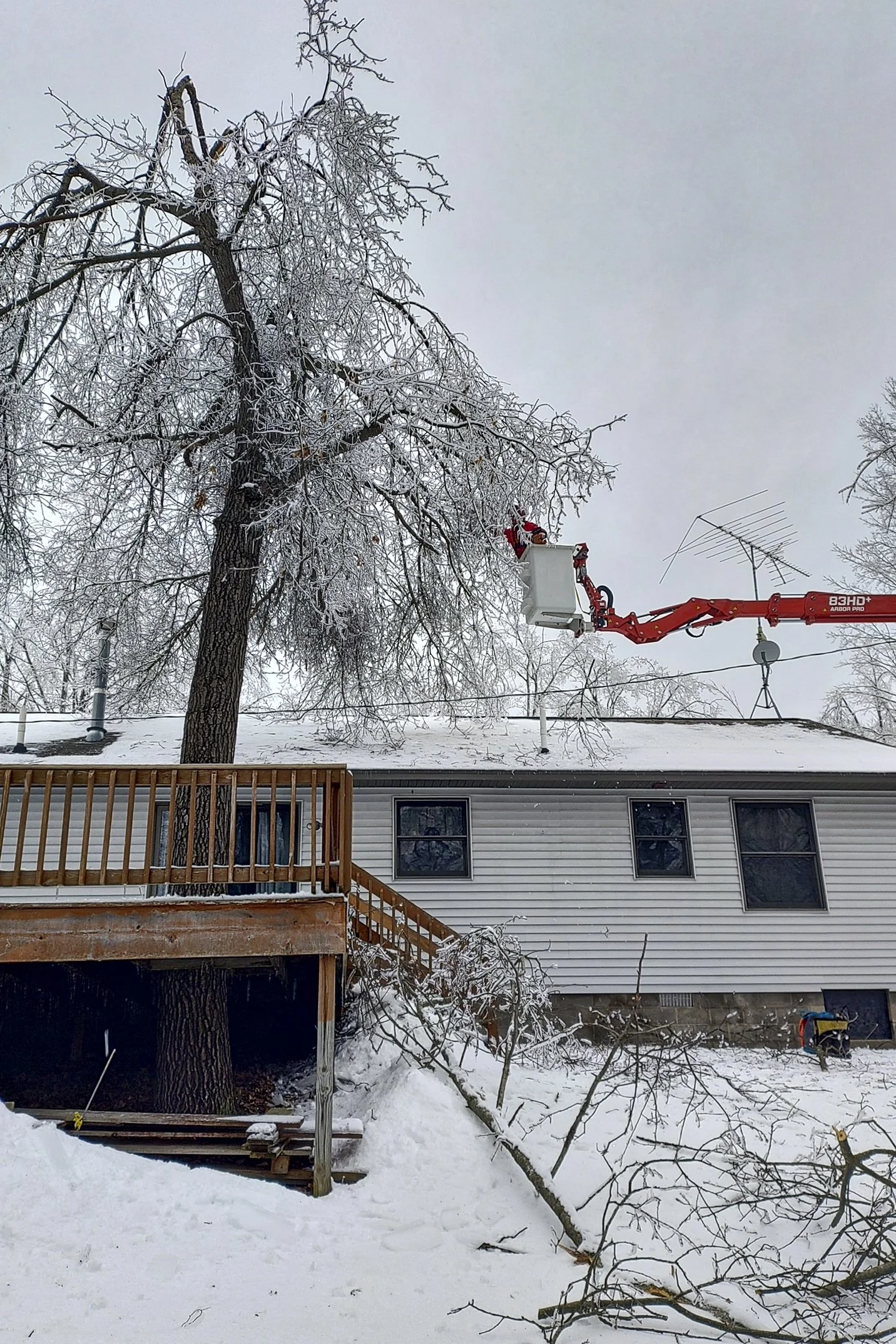
Michigan winters can be particularly challenging for trees. Freezing temperatures, fluctuating weather patterns, strong winds, heavy snow, and ice accumulation can all contribute to tree stress and structural damage.
Some of the most common winter-related tree concerns include:
Broken or damaged branches: Heavy snow and ice can weigh down branches, causing them to split or break.
Winter desiccation: Evergreen trees can lose moisture through their needles during cold, dry, windy conditions, particularly when their roots cannot replace that moisture because the ground is frozen.
Root damage: Repeated freezing and thawing can affect soil conditions and expose shallow root systems to temperature fluctuations.
Sunscald and frost cracking: Rapid temperature changes can damage tree bark, particularly on young or thin-barked trees.
Structural weaknesses: Existing deadwood, compromised branch connections, and poor tree structure can become more hazardous during winter storms.
The good news is that proper preparation and professional maintenance can help minimize many of these concerns.
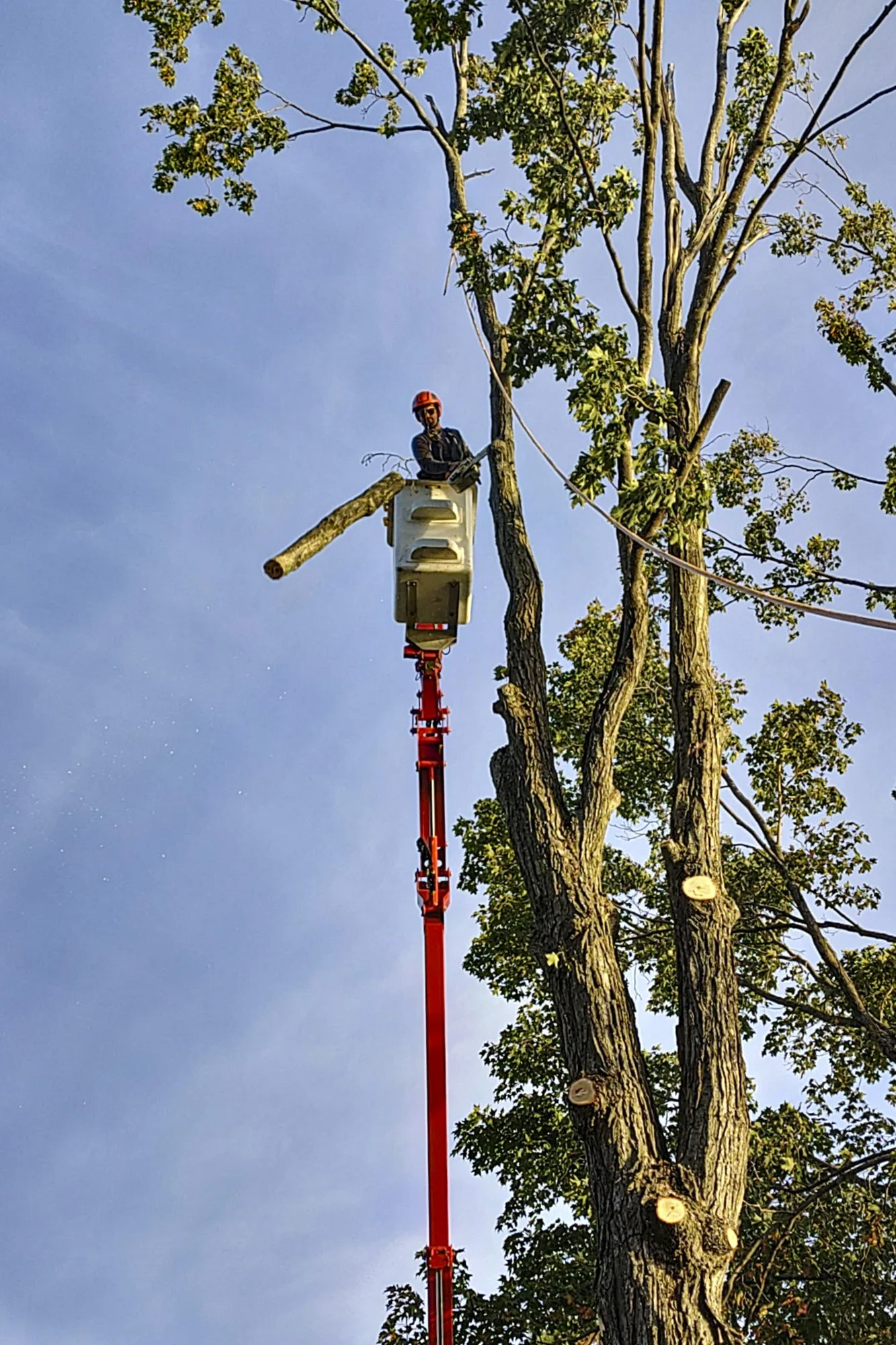
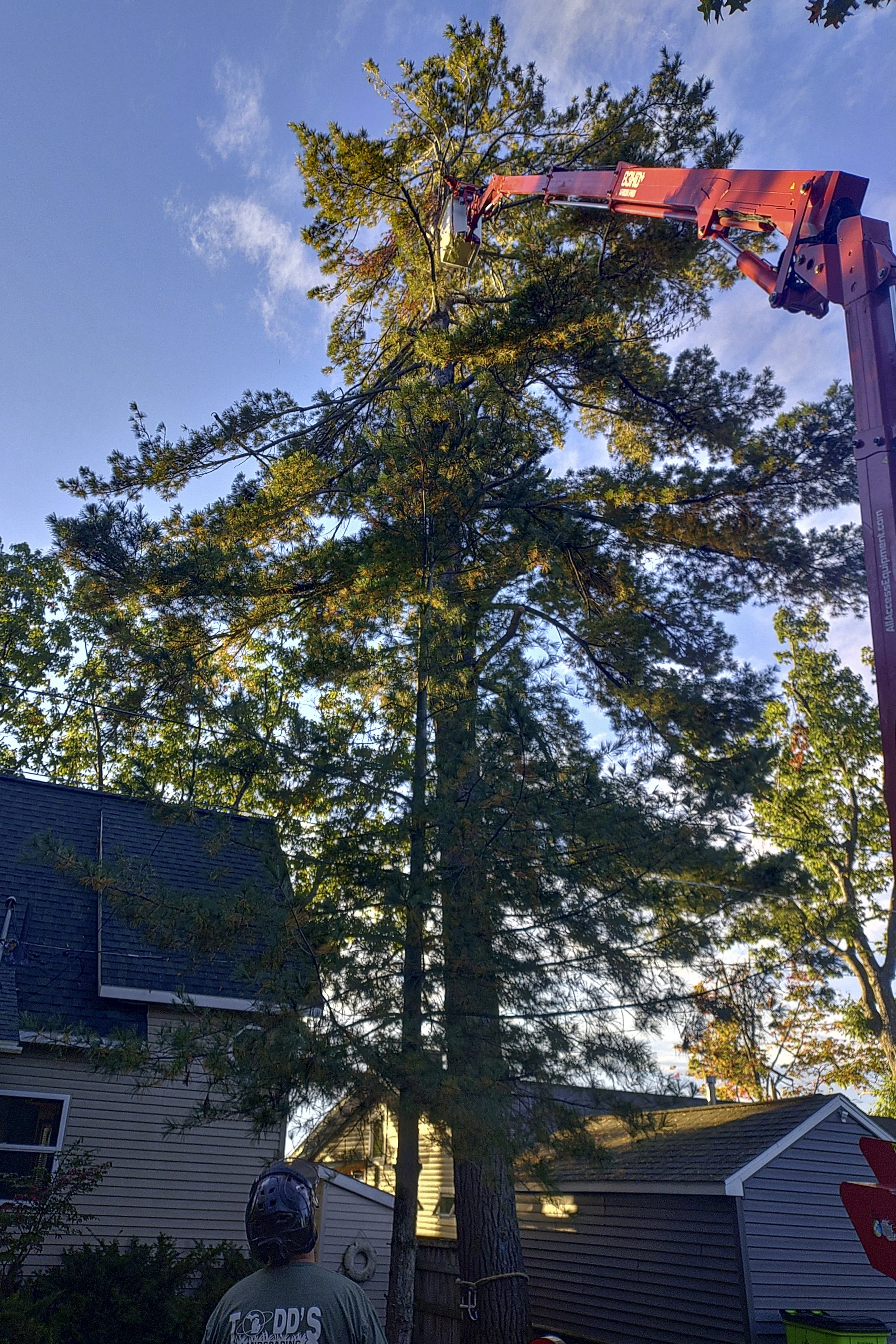
Winter Tree-Care Best Practices for Common Michigan Trees
Not all trees respond to winter conditions the same way. Understanding the specific needs of the trees throughout your landscape is an important part of maintaining a healthy property. Outlined below are several common Michigan tree varieties and some important considerations as winter approaches.
1. Maple Trees
Maples are among Michigan's most recognizable trees, providing beautiful fall colors and substantial shade throughout the warmer months. While many maple varieties are well adapted to Michigan winters, they can still benefit from seasonal maintenance.
Winter preparation tips:
Maintain adequate soil moisture throughout the fall, especially during extended dry periods.
Apply a 2–3 inch layer of organic mulch around the root zone to help regulate soil temperatures.
Keep mulch several inches away from the trunk to prevent moisture buildup and decay.
Have dead, damaged, or structurally compromised branches evaluated before winter storms arrive.
Protect young trees from mechanical damage and animal activity.
2. Oak Trees
Oak trees are valued for their strength, longevity, and impressive presence in Michigan landscapes. Although they are generally hardy, proper timing and preventative care are particularly important for this species.
Winter preparation tips:
Inspect the canopy for deadwood, damaged limbs, and potential structural concerns.
Address hazardous branches through appropriate professional pruning.
Avoid unnecessary wounds to the tree, including improper pruning and equipment damage.
Take advantage of the dormant season for appropriate oak pruning.
An important Michigan consideration: Oak wilt is a serious disease affecting oak trees. Fresh pruning wounds can attract beetles that spread the disease. Michigan homeowners should avoid pruning oaks during the high-risk period from April 15 through July 15. Any necessary pruning outside that period should still follow proper oak wilt prevention practices.
3. Birch Trees
Birch trees, including paper birch and river birch, are popular throughout Michigan for their distinctive bark and natural appearance. These trees can be more sensitive to environmental stress, making consistent care especially important.
Winter preparation tips:
Provide adequate watering during dry fall conditions before the ground freezes.
Apply mulch to help protect shallow roots from temperature fluctuations.
Avoid disturbing the root zone with heavy equipment or unnecessary excavation.
Monitor for signs of declining health, including thinning foliage, dead branches, and insect activity.
Have significant deadwood or structural concerns evaluated before winter.
4. Evergreen Trees: Spruce, Pine & Arborvitae
Evergreens are essential components of many Michigan landscapes. They provide year-round privacy, screening, and visual interest. Unlike deciduous trees, evergreens retain their foliage throughout winter, which means they continue losing moisture even during cold weather.
Winter preparation tips:
Deeply water evergreens during dry fall conditions before the ground freezes.
Apply mulch around the root zone to help retain soil moisture.
Protect vulnerable evergreens from excessive exposure to winter winds.
Keep road salt and deicing products away from roots and foliage whenever possible.
Consider protective burlap screening for particularly exposed or sensitive plantings.
Inspect for broken branches, excessive leaning, or other structural concerns.
Winter desiccation is a common issue for arborvitae and other evergreen varieties, particularly in exposed locations. Proper fall watering and protection can help reduce the risk of winter burn and foliage damage.
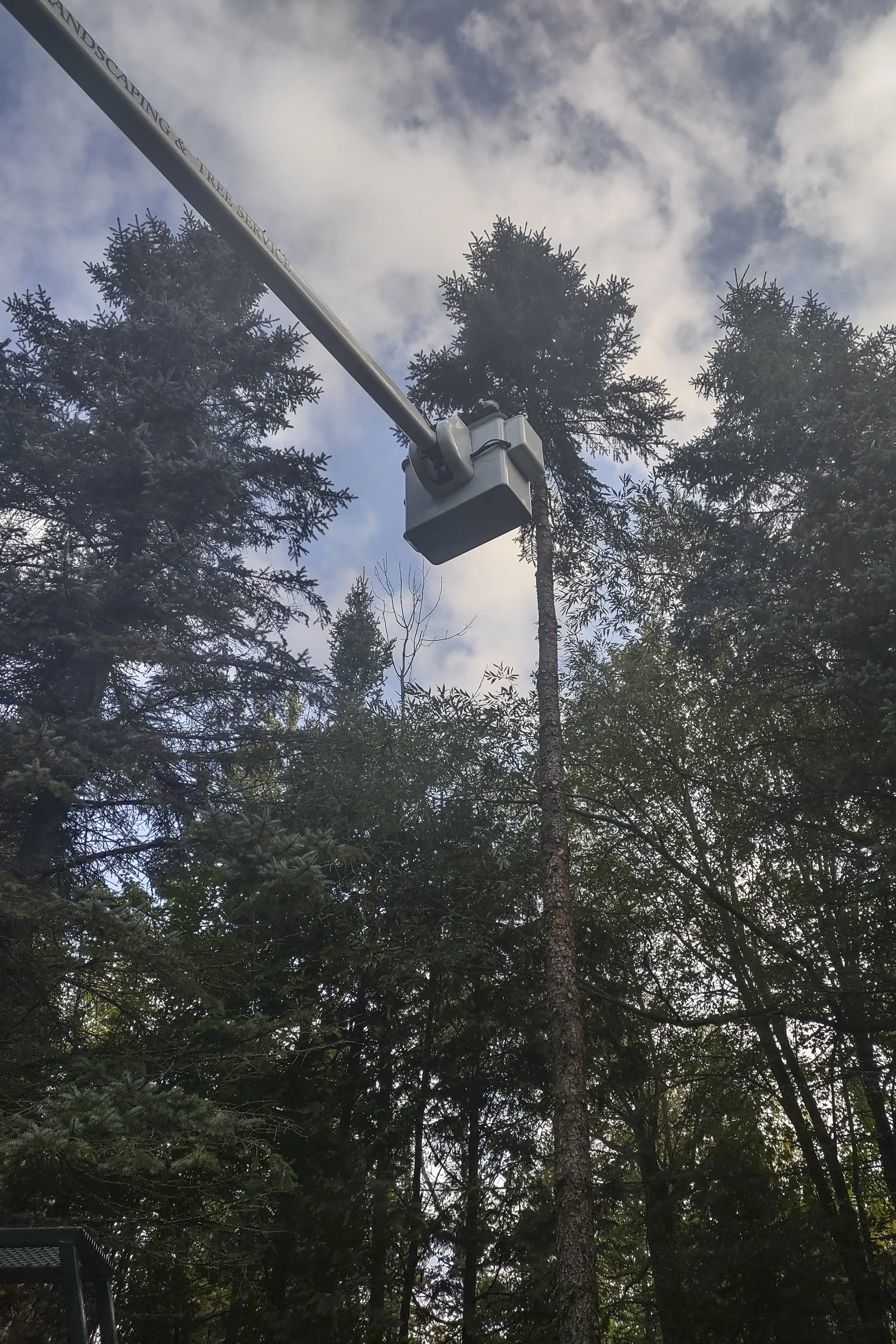
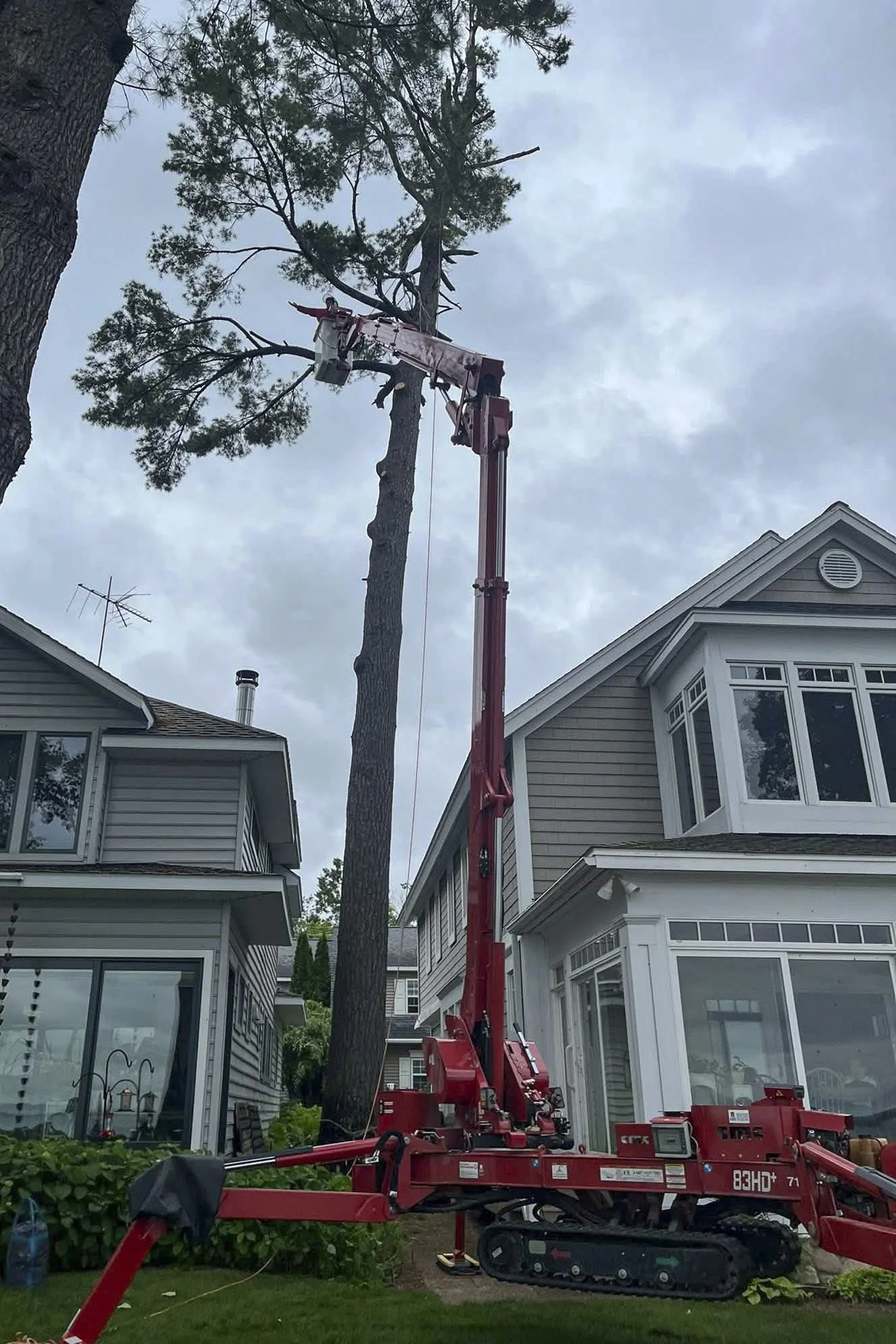
Why Fall and Winter Tree Inspections Matter
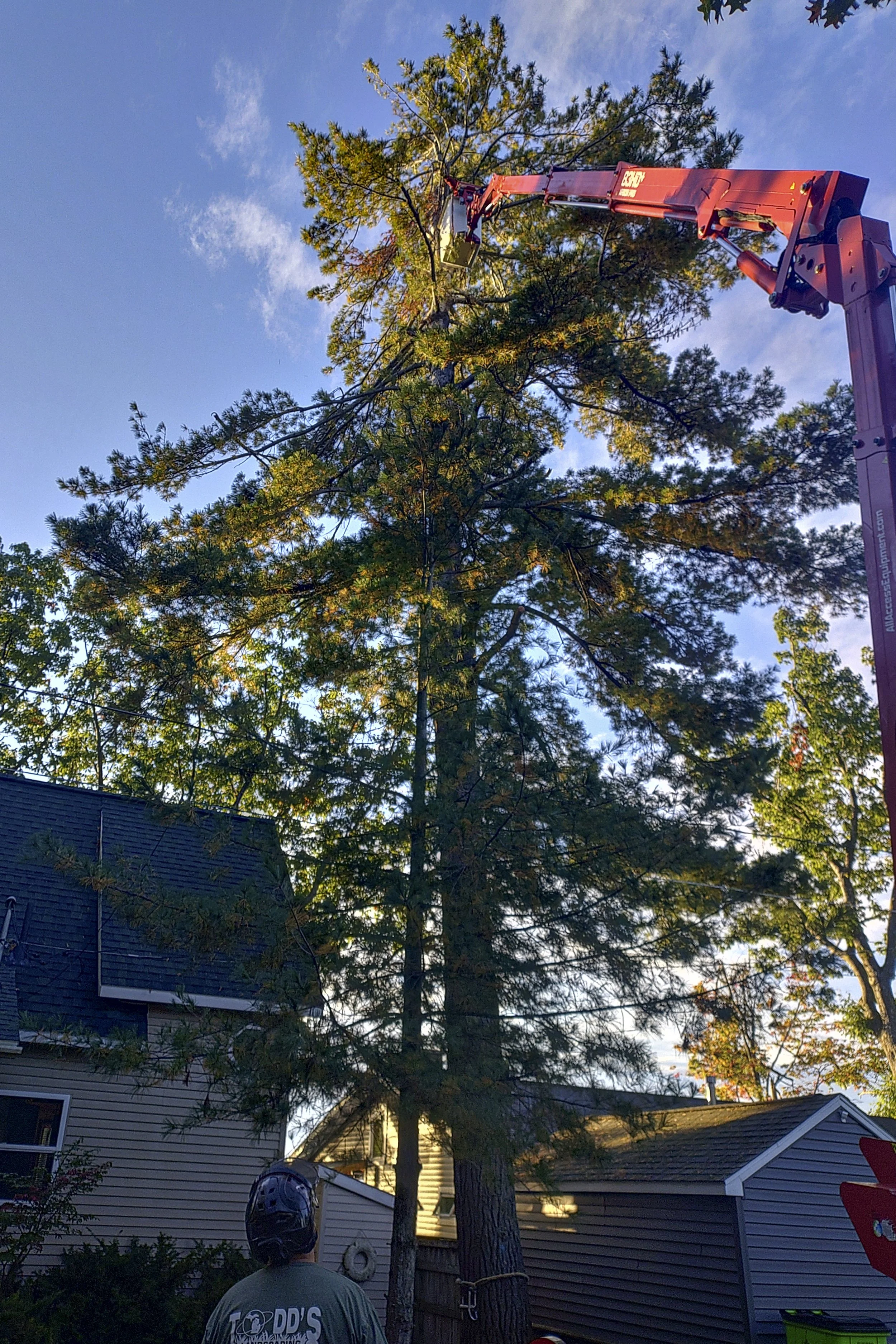
A professional assessment can help identify concerns before they become larger problems. A tree may appear healthy from the ground while still having underlying structural concerns. Dead branches, cracks, weak branch connections, disease, and compromised root systems can all create potential hazards when exposed to heavy snow and ice.
Some important areas to evaluate include:
Dead, broken, or overextended branches.
Cracks or splits in major limbs and trunks.
Signs of disease, decay, or insect infestation.
Trees growing too close to homes, garages, driveways, or other structures.
Branches that could interfere with power lines or other infrastructure.
Trees leaning or showing signs of root instability.
Taking a proactive approach to tree maintenance can help protect your property, improve the appearance of your landscape, and provide greater peace of mind throughout the winter season.
Professional Tree Care from Todd's Services
Your trees deserve the same attention and investment as the rest of your landscape. Whether you have mature hardwoods, ornamental trees, evergreens, or a combination of species throughout your property, proper maintenance is essential to preserving their health and beauty.
At TSI, we understand the importance of maintaining healthy, beautiful landscapes throughout Northern and Southeastern Michigan. Our team is here to help homeowners with a wide range of tree-care needs, from preventative pruning and tree health assessments to hazardous tree removal and general tree maintenance.
Contact Todd's Services today to discuss your tree-care needs and schedule a professional assessment. Let our team help protect your trees, preserve your landscape, and prepare your property for the winter season ahead.