
Why Grass Turns Brown Despite Receiving Professional Care
Over the past several weeks, many homeowners throughout Michigan have noticed portions of their lawns turning yellow, brown, tan, straw-colored, or patchy. While this can be alarming, in most cases these symptoms are the result of heat and drought stress, not a lawn that is dead or dying.
What Is Happening?
Most lawns in our area are composed primarily of cool-season turfgrasses such as Kentucky bluegrass, perennial ryegrass, and turf-type tall fescue. These grasses thrive during the cooler temperatures of spring and fall but naturally struggle during extended periods of summer heat.
When temperatures rise into the 80s and 90s, especially when combined with limited rainfall and dry winds, turfgrass begins conserving energy and moisture. As part of this survival response, grass blades may lose color and growth slows dramatically. In severe cases, portions of the lawn may temporarily enter dormancy, causing them to appear brown or straw-colored.
Why Some Areas Look Worse Than Others
Heat stress rarely affects a lawn uniformly. Areas most likely to show symptoms include:
• South-facing slopes
• High spots that dry out quickly
• Areas near pavement, driveways, and sidewalks
• Sections exposed to full afternoon sun
• Locations with shallow or compacted soils
As a result, many lawns develop irregular patches of discoloration while surrounding areas remain green and healthy.
Is the Lawn Dead?
In most cases, no.
Although the grass blades may appear brown, the crowns and root systems often remain alive beneath the surface. The turf is simply reducing growth and conserving moisture until environmental conditions improve.
A dormant lawn can often recover once temperatures moderate and consistent moisture returns. Watering Recommendations
If irrigation is available, we recommend:
• Applying approximately 1 to 1.5 inches of water per week, including rainfall.
• Watering deeply rather than lightly.
• Watering every 3 to 4 days during hot weather rather than daily.
• Running irrigation early in the morning whenever possible.
Deep watering encourages roots to grow further into the soil, improving the lawn's ability to withstand future heat and drought stress.
Typical Examples of Heat Stress
These are all irrigated lawns that receive fertilizer and weed control.
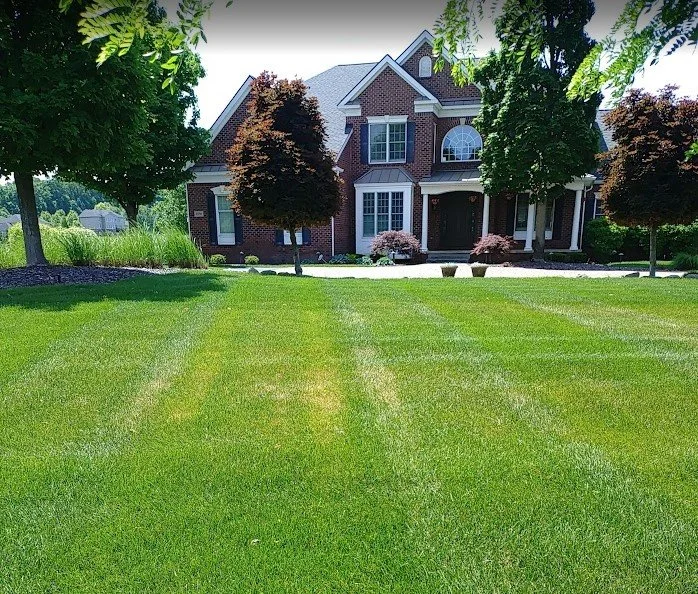
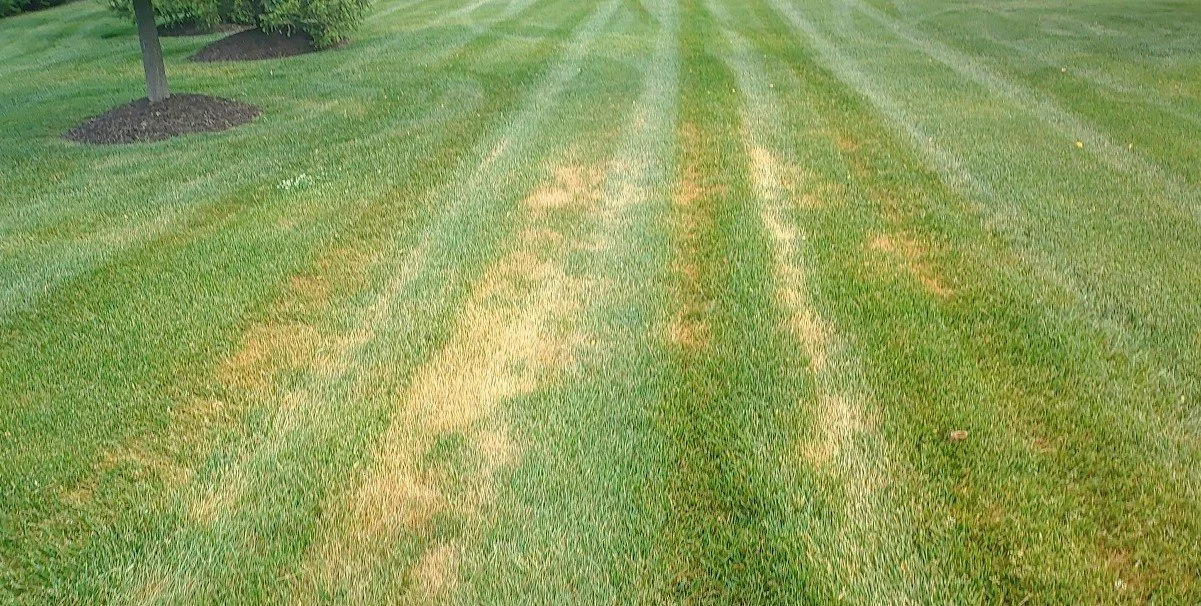
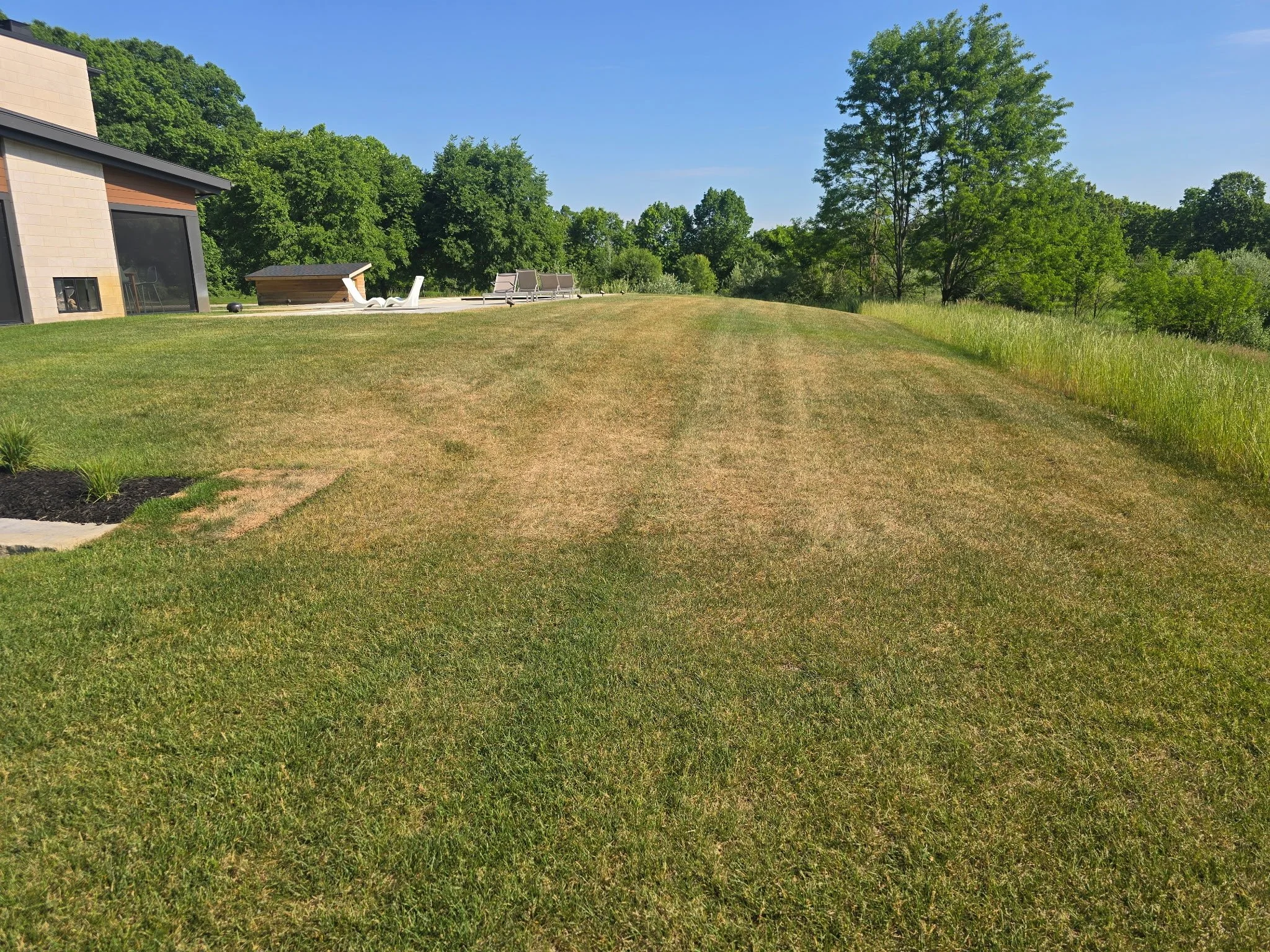
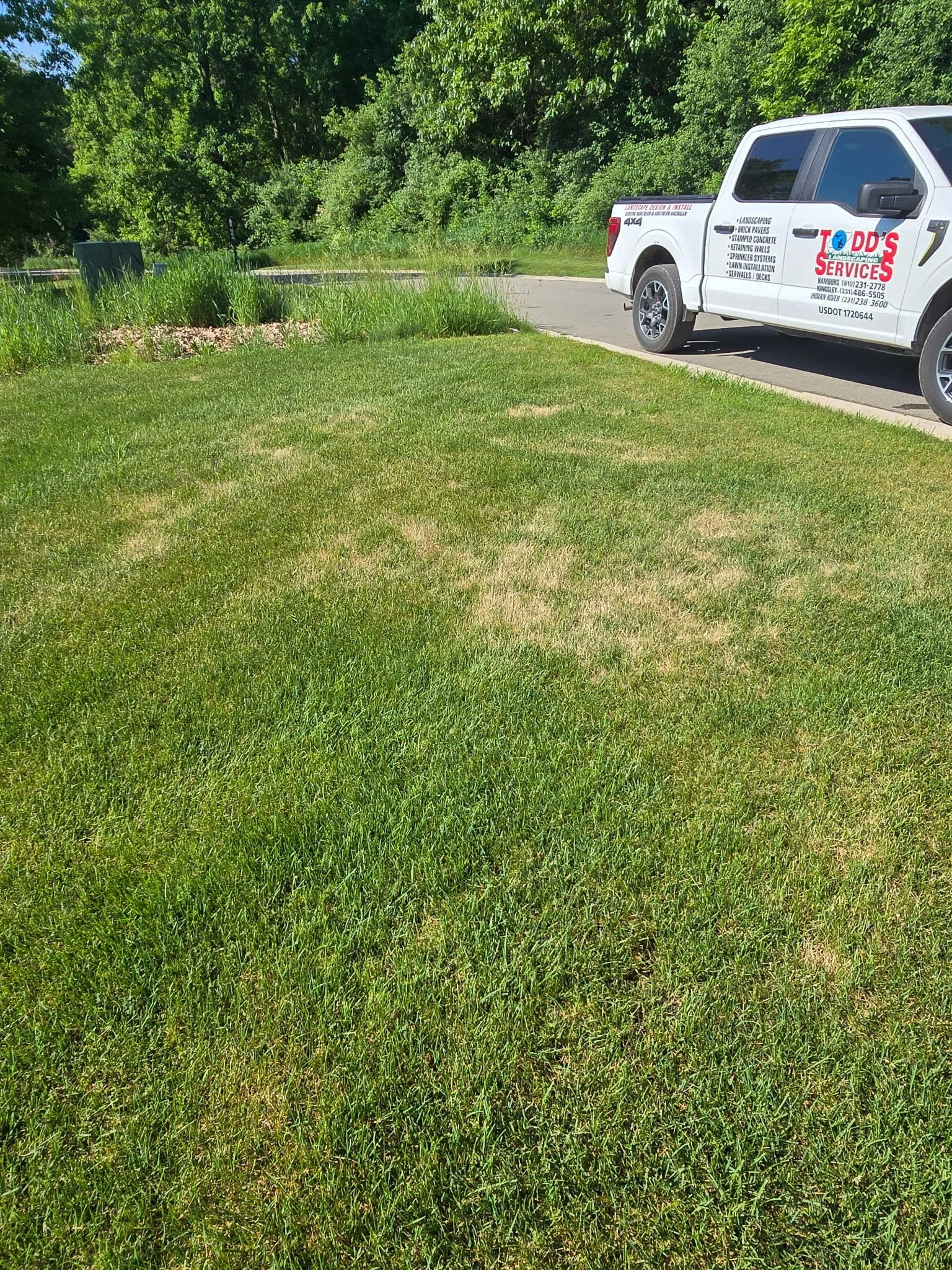
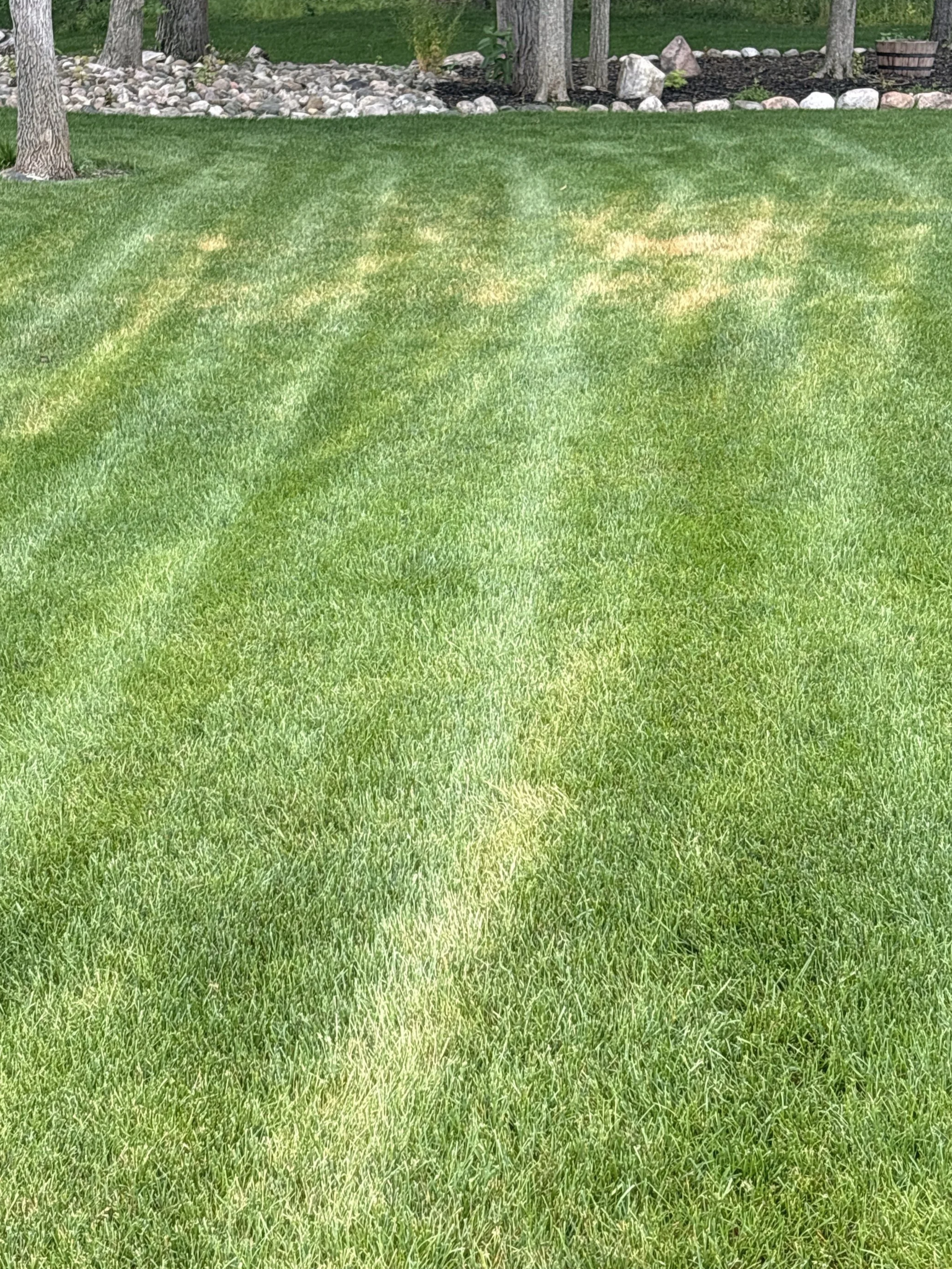
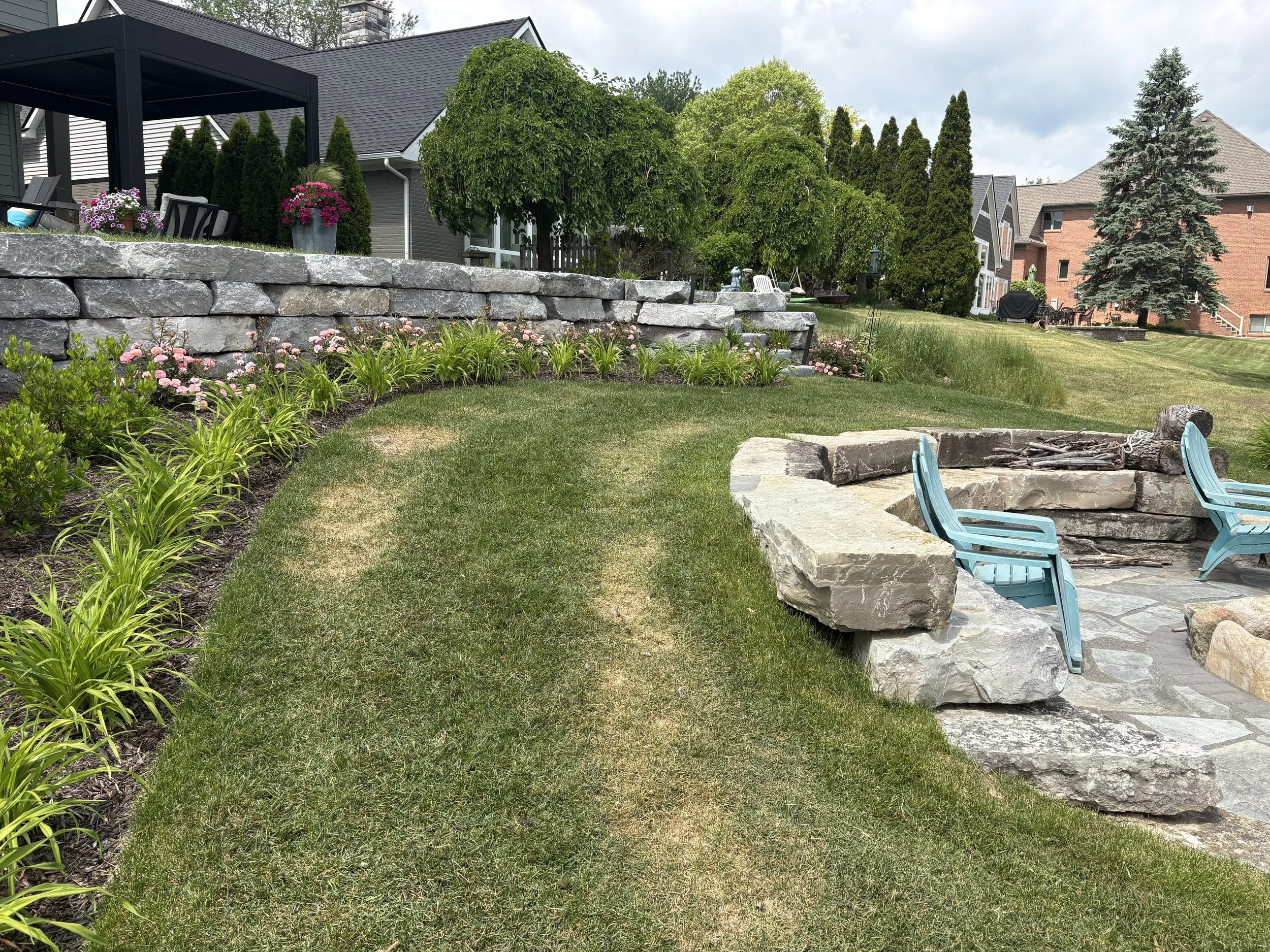
What it’s not: fertilizer burn, grub damage, insect damage, disease.
Mowing Recommendations
During periods of heat stress:
• Maintain a mowing height of 3.5 to 4 inches.
• Avoid removing more than one-third of the grass blade at a time.
• Keep mower blades sharp to reduce additional stress on the turf.
Longer grass helps shade the soil, retain moisture, and protect the crown of the plant from excessive heat.
What We Are Seeing
The conditions we are observing are widespread throughout our service area and are not isolated to individual properties. Many lawns receiving regular fertilization and professional care are exhibiting similar symptoms due to the recent weather pattern.
At this time, the majority of affected lawns show signs consistent with environmental stress rather than disease, insect activity, or turf loss.
Looking Ahead
While the appearance of a heat-stressed lawn can be concerning, these conditions are often temporary. With adequate moisture and more moderate temperatures, most lawns recover naturally and return to active growth.
As always, our team will continue monitoring lawn conditions throughout the season and will make recommendations if we observe issues beyond normal summer stress.
If you have questions about your lawn or irrigation practices, please don't hesitate to contact our team.